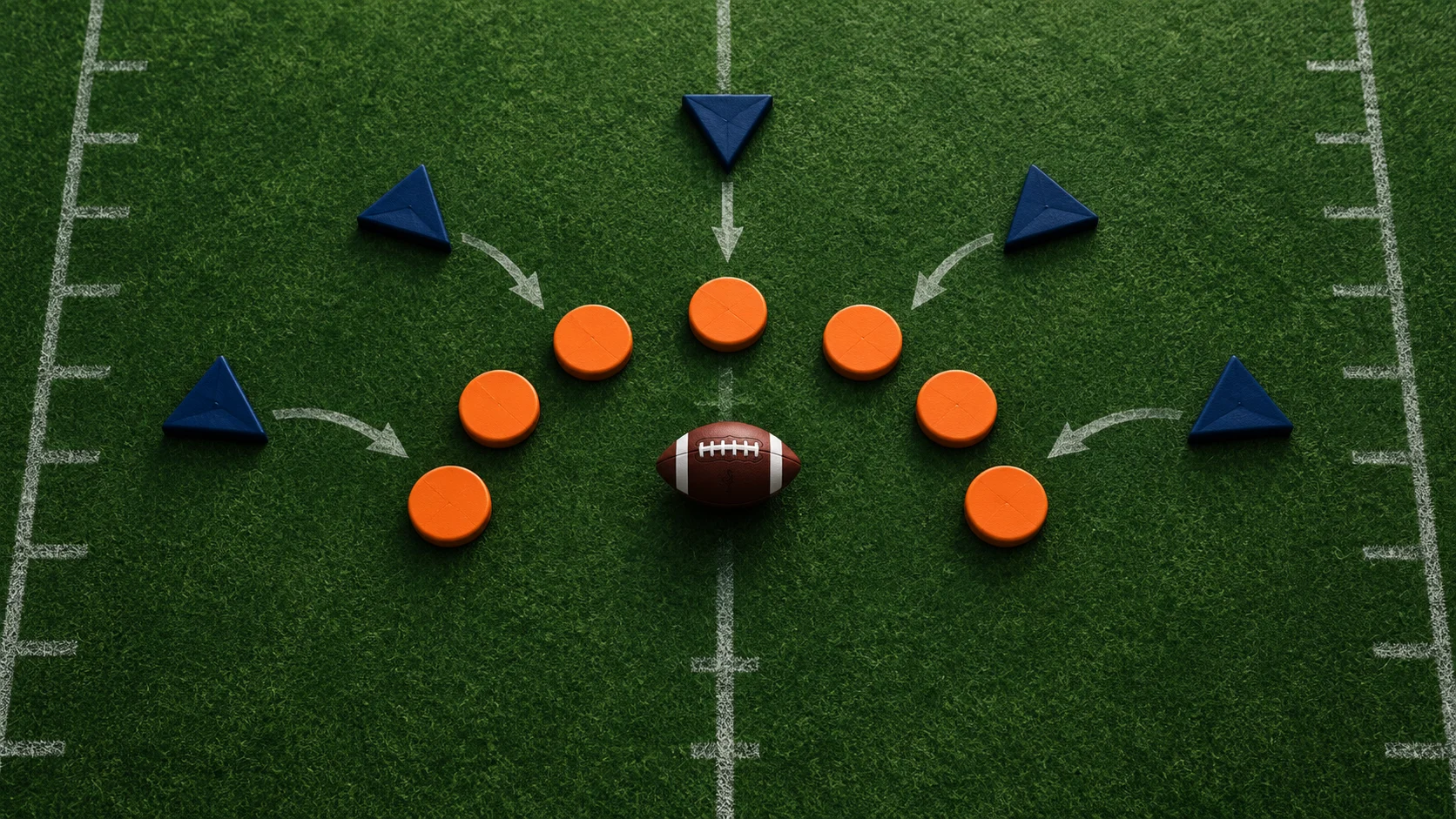
The Titans pass rush against Browns quarterback Deshaun Watson remained a concern in Jim Wyatt's October 27 official team mailbag, which described the rush as minimal after Cleveland's October 25 win. Wyatt again pointed to coverage and tackling problems.
Tennessee coach Robert Saleh faulted his team's pass rush on October 26 after the Browns' 27-24 victory, according to Wyatt's report from that day. His assessment put the problem alongside failures in run defense, coverage and tackling after Cleveland piled up 491 yards.
The Titans pass rush produced pressure without controlling the game. Tennessee's postgame notes credit Jermaine Johnson II with four quarterback pressures and Jacob Martin with two. Oluwafemi Oladejo earned a sack when he forced Watson out of bounds for no gain in the third quarter.
Wyatt's October 25 assessment said Watson had too much time to throw, while also pointing to shaky coverage and sloppy tackling. That combination explains why blaming the defensive front alone would leave out a substantial part of Tennessee's trouble.
Cleveland supplied production through both parts of its offense. Watson completed 25 of 36 passes for 308 yards, and the Browns rushed for a season-high 183 yards on 29 attempts, according to Brian D'Aguanno's official game recap. Tennessee had to deal with more than a passing game.
The rushing workload also extended beyond the running backs. Watson and KC Concepcion Jr. combined for 42 yards on six carries, D'Aguanno reported in Monday's News & Notes. A late touchdown drive ended with Concepcion's 18-yard jet sweep followed by Watson's scoring read-option.
"I thought we did a great job with our auxiliary run game," coach Todd Monken said in that report.
That variety offers a plausible explanation for some of Cleveland's success: defenders facing threats across the formation have more responsibilities to honor. Keeping those options credible could help create favorable passing opportunities by making defenders account for where the ball might go.
Concepcion's receiving production also earned recognition. The Browns announced his Week 7 Pepsi NFL Rookie of the Week nomination on October 27 after he posted career highs of eight catches and 129 receiving yards against Tennessee.
The closing possession supplied the decisive result. Watson's 36-yard completion to Harold Fannin Jr. helped set up Andre Szmyt's winning 32-yard field goal, the team recap confirmed. When Tennessee needed to end a drive, Cleveland still found an explosive gain through the air.
Those plays matter when judging Cleveland's protection. The Browns did not erase every rusher. The more useful measure is whether Tennessee disrupted enough possessions to keep the offense from moving. Pressure counts describe part of the afternoon; the offense's ability to finish possessions gives those numbers their football meaning.
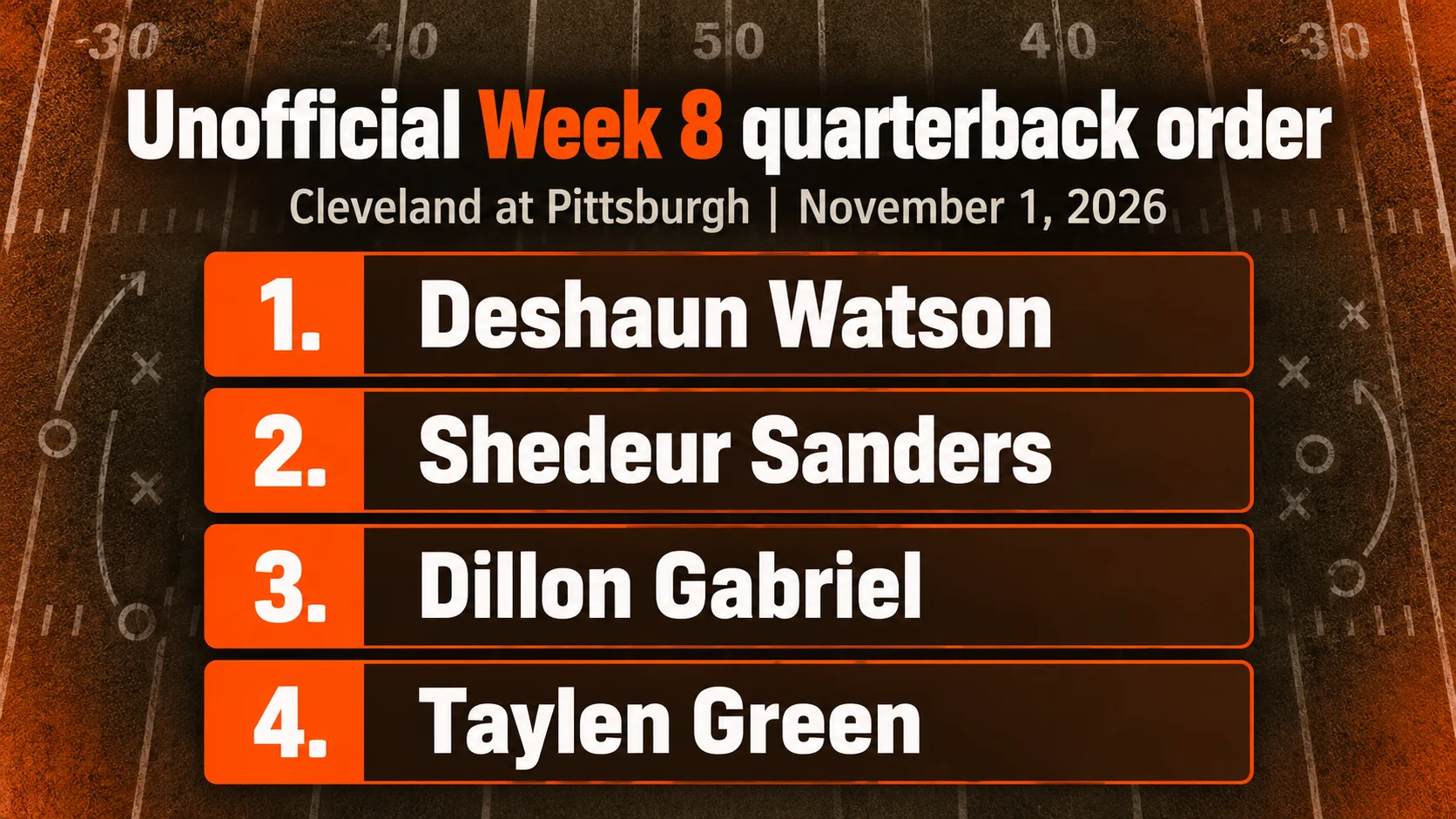
Cleveland improved to 5-2 and stayed first in the AFC North with the victory. The next game is at Pittsburgh on November 1 at 1 p.m., according to the official recap; Monday's follow-up says the Browns will pursue a season-series sweep.
For the Browns, that matchup makes repeatable execution the priority. Protection, Watson's decisions and receivers finishing plays all deserve attention. The aim should be to keep the rushing options useful while making the passing opportunities count. One productive afternoon does not settle protection concerns, but it provides a performance to build from. The next test is whether Cleveland can sustain that combination when another opponent has its own plan to disrupt it.
Image: AI-generated image.

Leave a Reply