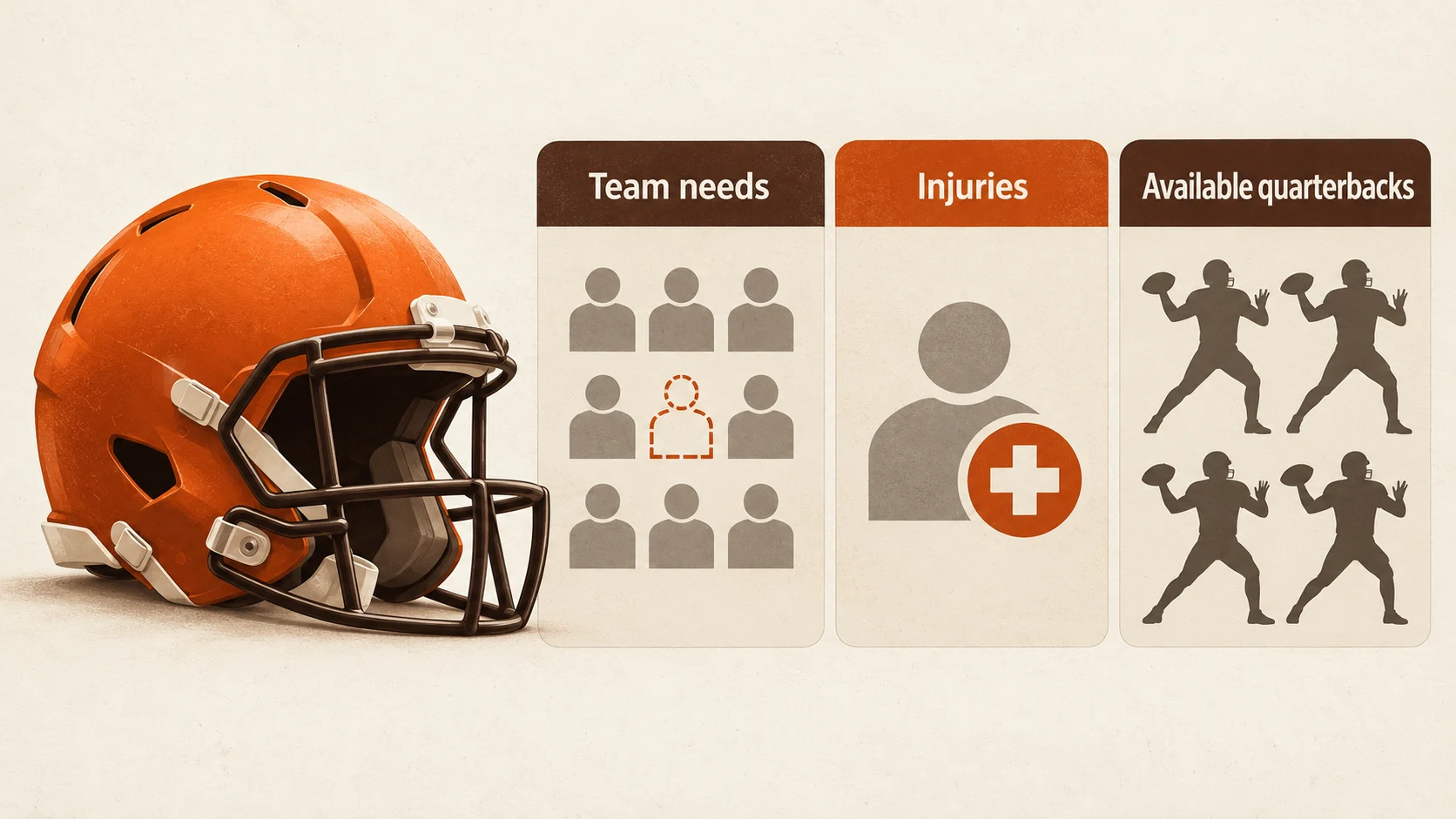
Potential trade compensation for Shedeur Sanders would depend on other teams' needs, injuries and available quarterbacks, Cynthia Frelund assessed, according to Heavy's October 27 report. Her conditional market analysis adds another consideration to Cleveland's quarterback choices.
The earlier reported plan favored keeping Sanders in place. Mary Kay Cabot expected him to remain Cleveland's No. 2 quarterback when Dillon Gabriel returned, according to DeGroote's Heavy article updated October 25. That account also attributed satisfaction with Sanders' progress and plans to continue developing the young quarterbacks to Cabot.
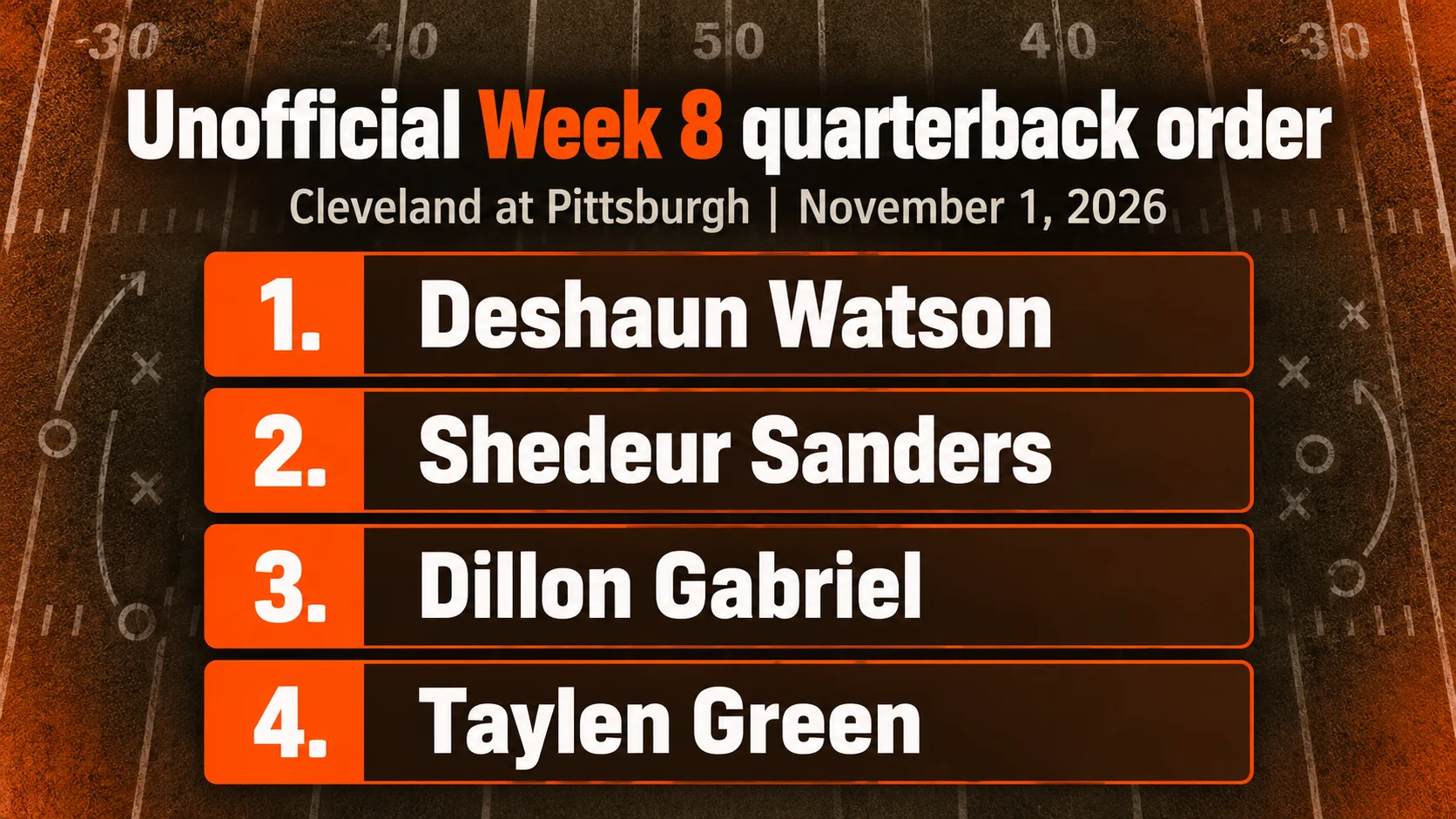
Cabot's reported trade position included a condition: Cleveland had no plans to move Sanders or Gabriel unless an unexpectedly compelling offer changed its thinking, the same Heavy article reported. Frelund's assessment concerns what a market might produce; Cabot's account describes the team's reported preference before Gabriel's activation.
The confirmed roster move came October 26. Cleveland activated Gabriel from injured reserve and waived tight end Carsen Ryan to make room, according to the official team announcement. Ryan's departure makes the cost of preserving quarterback options concrete: another position lost a roster spot.
Gabriel brings starting experience to the evaluation. The team announcement lists 10 career appearances, six starts, 937 passing yards and seven touchdowns. It also says Cleveland placed him on injured reserve August 30 and that he returned to practice October 6.
Gabriel's experience gives Cleveland a different consideration from the progress attributed to Sanders. The roster cost should make that comparison more deliberate: keeping options has value, but it also means accepting less room elsewhere. That is a choice to evaluate across the roster, not only inside the quarterback room.
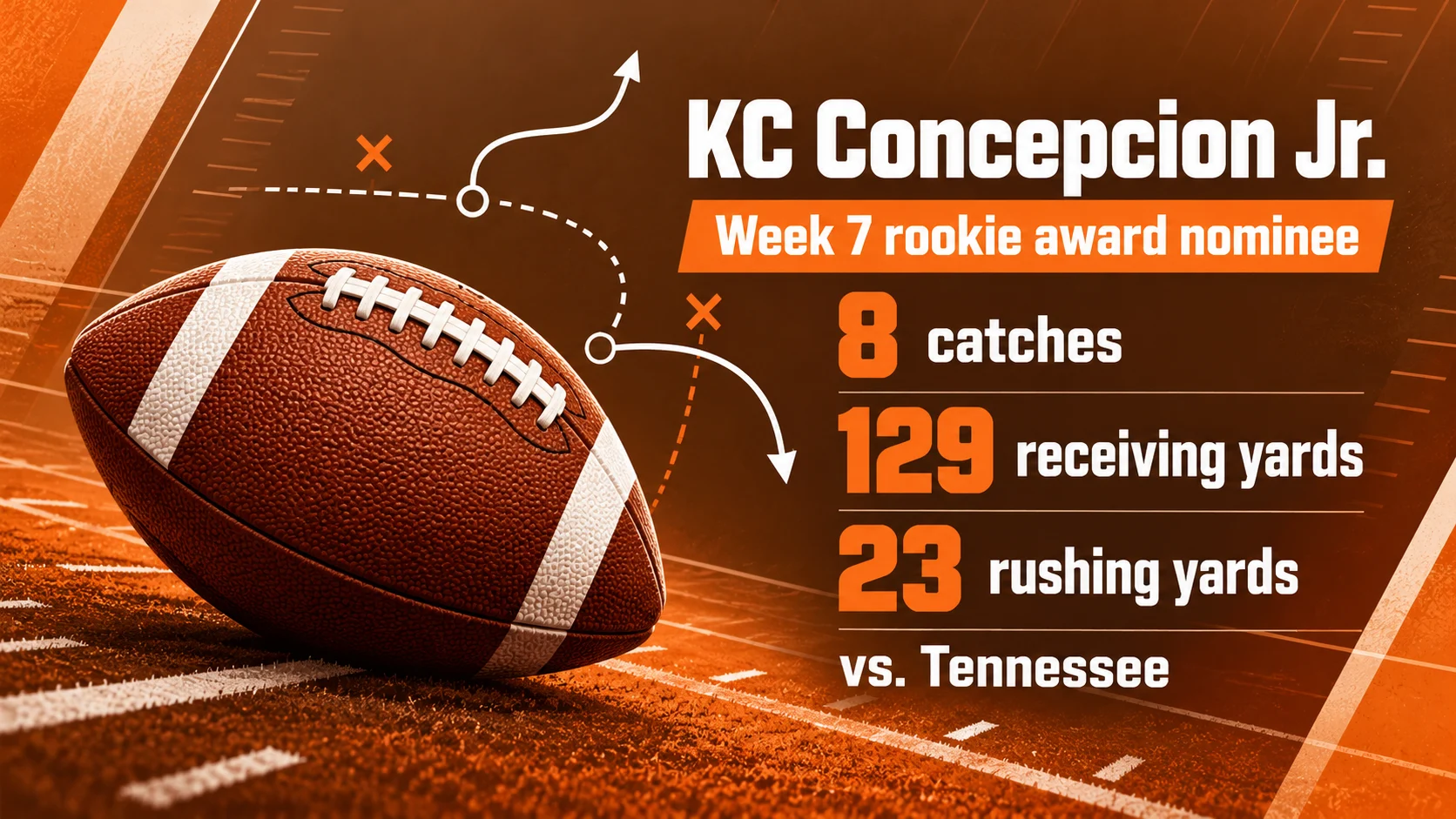
Deshaun Watson's performance supplies the immediate football context for that backup discussion. He completed 25 of 36 passes for 308 yards and added a rushing touchdown against Tennessee on October 25, according to Brian D'Aguanno's official Browns recap.
Cleveland won 27-24 to improve to 5-2 and remain first in the AFC North, the recap confirmed. Watson directed a four-play, 55-yard possession after Tennessee tied the game late, setting up Andre Szmyt's winning field goal.
Watson's production gives Cleveland reason to keep its immediate offensive priorities clear. Sanders' progress can still matter through his preparation to step in if needed. The useful distinction is between improving the backup options and changing the starter; the two decisions do not have to move together.
For the Browns, the trade calculation should compare a specific return with the protection a backup provides. An offer would need to improve Cleveland's longer outlook enough to justify surrendering depth during a competitive season. Frelund's factors suggest several possible outcomes: greater need could improve an offer, while more available alternatives could weaken a buyer's urgency. Cleveland should weigh any proposal against its own needs rather than treating an estimate as a price it can count on receiving.
The distinction between a roster spot and a playing role matters, too. Gabriel's activation addresses availability; Cabot's earlier account describes an expected hierarchy. Those are separate parts of the quarterback decision, with different implications for preparing the offense.
The next game is at Pittsburgh on November 1 at 1 p.m., according to the team recap. That matchup shifts attention to whether Watson can sustain his Tennessee production. Cleveland should weigh that immediate football test alongside the longer consequences of any quarterback decision.
Image: AI-generated image.


Leave a Reply